
Thinking about starting a spray foam insulation business? This guide shows you how to understand the market by analyzing other spray foam businesses, create a business plan, and choose the right equipment.
Key Takeaways
Master the fundamentals of spray foam insulation, including the differences between open and closed cell foam, to effectively serve your clients.
Conduct thorough market research to identify your target audience and competitor pricing, setting a strong foundation for your business’s growth. Understanding pricing strategies and marketing techniques that directly appeal to potential customers can significantly influence their choices and help you effectively reach and engage this audience.
Invest in quality equipment and maintain it regularly to ensure optimal performance and safety, which will enhance your reputation and operational efficiency.
Understanding Spray Foam Insulation

Spray foam insulation has carved out a notable position within the insulation industry due to its outstanding ability to insulate and adaptability. It is synthesized from a chemical mixture of isocyanate and polyol, which then expands and solidifies into an impermeable barrier that markedly boosts energy efficiency. This type of foam insulation stands as an exceptional option for various spaces ranging from residential homes to commercial offices or industrial facilities, offering significant advantages over conventional insulating materials.
Within the realm of spray foam products, the industry continues to flourish thanks in part to its impressive R-value along with its proficiency in sealing off gaps and fissures comprehensively. Contractors and property owners alike often favor it for these reasons. Understanding the fundamental principles behind spray foam lays a foundation for delving deeper into particular subjects such as contrasting open cell versus closed cell forms of this material, along with exploring its numerous advantageous properties. Additionally, having the right spray foam rig is essential for delivering professional results and maintaining operational efficiency.
Open Cell vs. Closed Cell Foam
There are two main types of spray foam insulation: open cell and closed cell. Open cell foam is a lighter, less dense material that excels in soundproofing applications within indoor settings and tends to be more cost-effective, making it appealing for those on a tight budget. To prevent moisture-related problems when using open-cell foam insulation, it’s necessary to pair it with a vapor barrier.
In contrast, closed cell spray foam boasts greater density and delivers an enhanced R-value for superior thermal resistance. It is particularly well-suited for exterior uses or locations prone to wet conditions because of its ability to serve as an effective water and air barrier. Understanding these distinct characteristics between the two forms of spray foam can greatly assist in choosing the right type of insulation tailored to specific requirements. Additionally, investing in high-quality spray guns is essential for achieving professional results and ensuring safe operation.
Benefits of Spray Foam Insulation
Spray foam insulation offers a multitude of significant advantages. Its superior R-value ensures outstanding thermal resistance, which effectively maintains warmth during the winter months and coolness during the summer period. This high level of efficiency results in considerable energy savings by lowering utility costs and increasing comfort within indoor spaces. Proper training and upkeep of the spray gun are crucial to maintaining the quality of the insulation.
Spray foam is remarkably resilient, preserving its insulating qualities over an extended period without succumbing to sagging or decay. Such enduring performance renders it an economical choice for long-term use.
The impermeable barrier established by spray foam insulation aids in blocking allergens and contaminants from entering indoor areas, fostering a more healthful living environment.
Market Trends and Opportunities in the Spray Foam Industry
The spray foam insulation industry is experiencing significant growth, driven by increasing demand for energy-efficient solutions in the construction sector. According to market research, the global spray foam insulation market is expected to reach $2.5 billion by 2025, growing at a compound annual growth rate (CAGR) of 7.5% from 2020 to 2025.
Several factors are contributing to this growth, including:
Increasing Awareness: More people are recognizing the benefits of spray foam insulation, such as its superior energy efficiency, durability, and environmental sustainability. This awareness is driving demand across various sectors.
Green Building Materials: The push for sustainable construction practices is leading to a higher demand for green building materials, with spray foam insulation being a top choice due to its eco-friendly properties.
Expanding Applications: Spray foam insulation is not just for residential buildings anymore. Its applications have expanded to commercial and industrial buildings, broadening the market scope.
Technological Advancements: Innovations in spray foam technology and equipment have made installation more efficient and cost-effective, further boosting its popularity.
As a result, there are numerous opportunities for entrepreneurs and businesses to enter the spray foam insulation market, including:
Starting a New Business: With the market on the rise, now is an opportune time to launch a spray foam insulation business.
Expanding Existing Services: If you already own an insulation business, adding spray foam services can attract a broader customer base.
Product Development: There is room for innovation in developing new spray foam products and technologies.
Training Programs: Providing training and certification programs for spray foam installers can be a lucrative niche, given the growing demand for skilled professionals.
By tapping into these opportunities, you can position your business for success in the thriving spray foam insulation industry.
Conducting Market Research
When launching your foam insulation business, it is critical to perform in-depth market analysis. The spray foam sector is on a significant upswing, forecasted to grow at an annual rate of 6.5% until 2032. It’s essential to have insights into regional building tendencies and available energy-saving incentives, as these factors can signal the demand for insulation services within the market.
When launching spray foam insulation businesses, it is crucial to perform in-depth market analysis. Executing a full-scale competitive analysis that includes reviewing how rivals price their offerings is also crucial for carving out your niche in the foam insulation industry. By studying what competitors charge, you can establish pricing strategies that attract customers while maintaining profitability.
To effectively target your marketing efforts, identify potential customer groups such as residential owners, contractors involved in construction work, and individuals overseeing property management. Recognizing these segments will help tailor your approach when promoting your spray foam services.
Identifying Your Target Market
Recognizing the specific needs and preferences of your prospective clients is essential for refining your services appropriately. For example, homeowners typically seek energy efficiency and comfort, whereas contractors often value the quickness and simplicity of installation.
The significance of local marketing cannot be overstressed since spray foam jobs are predominantly found within close proximity. By tailoring strategies to align with client requirements and regional market trends, foam companies can enhance customer satisfaction as well as their business prosperity.
Grasping who makes up your target market permits you to craft marketing initiatives that strike a chord with those individuals, thereby propelling your business forward.
Developing a Comprehensive Business Plan
Crafting a detailed business plan is essential for guiding your spray foam insulation venture. It should define the company’s aims, operational specifics, and methodologies for reaching objectives, while also providing comprehensive support and resources typical of a spray foam company.
The importance of cultivating robust relationships with suppliers and maintaining current stock levels should be emphasized within this blueprint.
Developing an online presence is pivotal. It necessitates a well-designed logo coupled with an extensive website. Involvement in community home exhibitions can greatly enhance recognition of your brand while also securing prospective client leads.
By meticulously planning out each aspect involved in launching a foam insulation enterprise, you set yourself on track to achieve enduring prosperity in the industry.
Financial Planning and Budgeting
Financial planning and budgeting are fundamental aspects of starting a spray foam insulation business. The potential profit range for spray foam projects can be between $70,000 and $105,000, depending on various factors such as pricing and efficiency. The initial investment and funding options available include local bank loans, IDI financing, and personal savings.
Keeping track of financial situations is essential for maintaining a healthy business. Proper accounting practices help forecast material and labor costs, which is crucial for budget management. Key considerations for sustainable growth include financing, forecasting profits, and achieving business goals.
Essential Skills and Qualifications for a Spray Foam Business Owner
To succeed in the spray foam insulation industry, business owners should possess a combination of technical, business, and interpersonal skills. Here are some essential skills and qualifications:
Technical Knowledge: Understanding the intricacies of spray foam insulation products and installation methods is crucial. This includes knowing the differences between open cell and closed cell foam, as well as the proper application techniques.
Industry Experience: Experience in the construction or insulation industry can provide a solid foundation for your spray foam business. Familiarity with industry standards and practices will be beneficial.
Business Management Skills: Running a successful spray foam business requires strong management skills. This includes marketing, finance, operations, and strategic planning.
Communication and Customer Service: Excellent communication skills are essential for interacting with customers, suppliers, and employees. Providing top-notch customer service can set your business apart from competitors.
Stakeholder Collaboration: The ability to work effectively with various stakeholders, including clients, suppliers, and team members, is vital for smooth operations.
Certifications: Obtaining certification from reputable organizations, such as the Spray Polyurethane Foam Alliance (SPFA), can enhance your credibility and demonstrate your commitment to industry standards.
Safety Compliance: Adhering to OSHA regulations and obtaining relevant safety certifications is crucial for protecting your team and ensuring safe work practices.
Knowledge of Local Regulations: Familiarity with local building codes and regulations is essential for compliance and avoiding legal issues.
In addition to these skills and qualifications, spray foam business owners should also be prepared to invest time and resources in ongoing training and education. Staying up-to-date with the latest industry developments and best practices is key to maintaining a competitive edge.
By possessing these essential skills and qualifications, spray foam business owners can establish a successful and profitable business, capitalizing on the growing demand for spray foam insulation services.
Legal and Regulatory Considerations
Embarking on a venture in the spray foam insulation industry requires careful attention to legal and regulatory considerations. To safeguard yourself and your employees, it’s imperative to officially register your business and secure adequate insurance coverage. Neglecting to fulfill these legal requirements may result in fines or potentially lead to the cessation of your business operations.
It is essential to familiarize yourself with the unique legal mandates pertinent to your jurisdiction since they can differ markedly from place to place. Adhering strictly to all relevant laws and regulations not only helps you avoid potential legal entanglements, but also facilitates uninterrupted workflow within your insulation business.
Licensing and Certification Requirements
Starting a spray foam insulation business requires securing the appropriate licenses and certifications, which includes acquiring a business license. It’s essential to conduct thorough research on the particular licensing regulations that vary from state to state in order to comply with local laws. Properly registering your business and obtaining required permits is crucial for safeguarding your personal assets should legal issues arise.
Pursuing national certification programs provided by organizations like the Spray Polyurethane Foam Alliance can significantly boost your professional reputation by showcasing adherence to established industry standards. Ensuring you have proper training and certification not only guarantees quality workmanship, but also builds confidence among clients in your insulation services.
Health and Safety Compliance
Ensuring adherence to health and safety regulations is critical within the spray foam insulation industry. Abiding by OSHA standards and local regulatory requirements safeguards both your workforce and customers. It’s essential for your business to secure general liability, worker’s compensation, and professional liability insurance as a means of protection.
Participation in IDI trainings advocates for alignment with established safety protocols as well as mastery of safe application methods regarding foam insulation. The dedication to ongoing education and keeping abreast of the latest health and safety mandates are vital for remaining compliant while embracing new advancements within the industry.
Investing in the Right Equipment

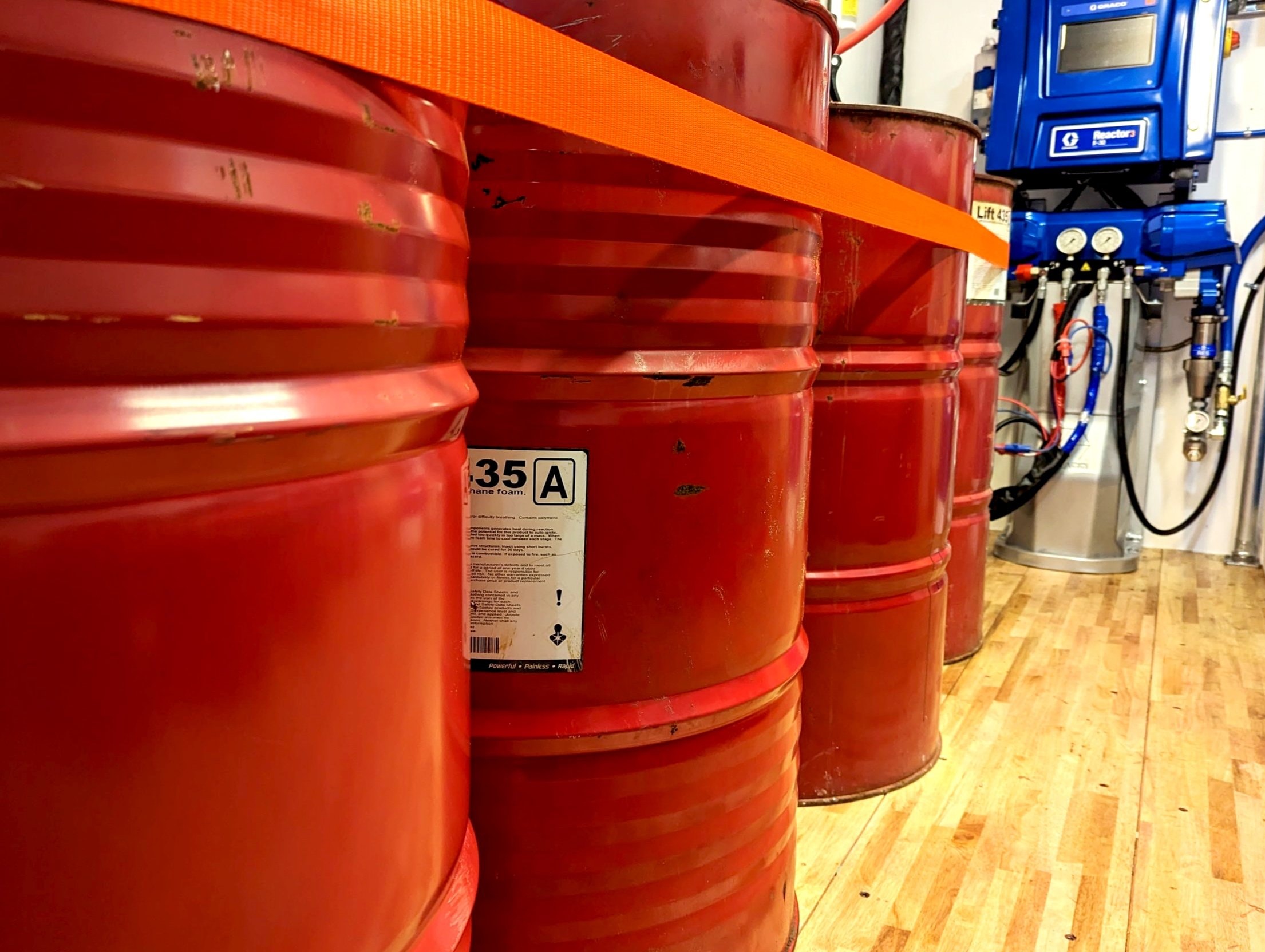
When initiating a foam insulation business, it is imperative to secure the appropriate equipment. Necessary items encompass everything from spray foam rigs and guns to hoses, protective gear, and the actual spray foam material itself. In making your selection of equipment, you must evaluate aspects like the specific kind of foam insulation needed for your services, output capacity goals that align with project demands, as well as considerations for storage and transport logistics. All the equipment should be chosen with care to ensure comprehensive training and practical experience.
Seeking guidance from industry professionals can provide invaluable insights into market preferences and pinpoint what type of foam equipment will best suit your business requirements. Establishing solid partnerships with suppliers is crucial in obtaining high-quality materials promptly, which plays a significant role in enhancing the operational efficiency of your insulation enterprise.
Choosing Quality Products
Ensuring the use of top-notch products is vital for the prosperity of your foam insulation business. Sturdy spray foam guns are key to achieving uniform application and minimizing the necessity for corrections. Committing to dependable safety equipment is imperative to safeguard your crew while executing insulation tasks.
Focusing on high-grade equipment results in superior project results and bolsters worker protection. Opting for quality products allows you to establish a solid track record of reliability and outstanding performance within the foam insulation industry.
Maintenance of Equipment
Ensuring that your equipment undergoes consistent upkeep is key to preserving its functionality and performance over time. This involves tasks such as purifying the machinery, substituting worn or broken components, and refreshing the fluids in proportioners. Engaging in systematic maintenance can avert expensive repairs and unnecessary halts in operation.
It’s crucial for your crew to receive adequate training regarding maintenance protocols so they can maintain the gear at peak condition effectively. Adhering to a schedule of routine care contributes significantly to enhancing operational capabilities and prolonging the life of your equipment.
Building Strong Supplier Relationships
Maintaining robust connections with your suppliers is essential for the prosperity of your foam insulation business. Consistently interacting with those who supply your materials fosters a lasting, reciprocal partnership. Working closely with suppliers can boost operational effectiveness and guarantee consistent provision of high-quality spray foam.
Cultivating collaborative relationships with suppliers leads to favorable pricing structures and enhances the sustainability of your insulation business. Creating an atmosphere where teamwork is valued among you and your spray foam providers can notably enhance how efficiently your enterprise functions while simultaneously elevating client satisfaction.
Supply Chain Management
Effective supply chain management meets project needs and future demands. Up-to-date inventory prepares you for immediate projects and future requirements. Suppliers should provide insights into industry trends and best practices to help you stay competitive.
Key qualities to look for in suppliers include reliability, quality products, competitive pricing, delivery times, customer service, and reputation. Strong supplier relationships and effective inventory management are essential for your business success.
Marketing and Promoting Your Spray Foam Business

To draw in customers and foster expansion for your foam insulation business, strategic marketing and promotion of your spray foam services are essential. Analyzing demographic details like income levels and geographical areas aids in crafting targeted marketing plans. Collecting data through questionnaires or conversations with potential clients can reveal their unique needs for foam insulation.
Creating compelling content on social media platforms, along with involvement in community home exhibitions, can greatly broaden your company’s visibility. Employing sales resources such as pamphlets and demonstrations of the spray product might bolster face-to-face promotional efforts. Securing a complimentary listing for contractors on sprayfoam.com is an efficient way to reach out to prospective customers already interested in spray foam options.
Digital Marketing Techniques
Leveraging digital marketing is essential for advancing your foam insulation business. An impressive and professional website acts as a pivotal point for establishing an online footprint, drawing the attention of those in need of spray foam services. Active engagement on social platforms boosts your visibility and facilitates connections with prospective clients.
By disseminating educational content regarding spray foam through your digital channels, you not only demonstrate expertise, but also captivate individuals looking to learn more about foam insulation solutions. These strategies employed in digital marketing propel visitors towards your site and are instrumental in cultivating leads for your enterprise.
Networking and Offline Marketing
Establishing and nurturing professional relationships through networking is crucial for advancing your spray foam insulation business. By attending industry events, you can connect with fellow professionals, stay informed about the latest trends in the market, and present your spray foam services to a relevant audience.
Participating in local home shows and community gatherings offers an excellent opportunity to publicize your insulation services while engaging directly with prospective clients. Employing both networking tactics alongside offline marketing efforts will significantly boost the visibility of your foam insulation business and contribute to its expansion.
Pricing Strategies for Spray Foam Services

Establishing appropriate pricing strategies is vital for the prosperity of your spray foam insulation business. By adopting a cost-plus pricing strategy, you apply an additional charge on top of the aggregate project expenses to set the ultimate price. Alternatively, value-based pricing allows for elevated prices by emphasizing the advantages of services rather than concentrating exclusively on costs.
Factors that influence the pricing of a spray foam job include material quality, spatial volume to be insulated, complexity level, and required thickness during application. Providing flexible financing opportunities can render these services more accessible and thus expand your clientele reach.
It’s imperative to perpetually evaluate how well your pricing strategies are performing in order to stay competitive and ensure sustained profit margins within your insulation business.
Training and Certification

Certifications like BPI or SPFA bolster credibility and guarantee the provision of services of a high caliber. By completing such training, trust among customers is reinforced. The programs provide comprehensive education on crucial subjects, including methods for application, current market developments, and guidance for sales.
Continual training workshops ensure that employees stay abreast of the latest health and safety measures. Attending seminars expands a contractor’s understanding and elevates the quality of their work. Committing to ongoing professional growth reflects dedication to delivering exceptional craftsmanship.
Ongoing Education and Industry Updates
The industry of spray foam insulation is in a constant state of progression, which necessitates the perpetual pursuit of knowledge and keeping abreast with new developments within the field. To maintain adherence to SPFA standards, certification must be renewed annually, accompanied by continuous education. This commitment secures your company’s alignment with prevailing regulations while facilitating assimilation into emerging technologies and methodologies.
It is imperative for businesses to remain vigilant about OSHA mandates and local health ordinances to guarantee both operational safety and regulatory conformity. Advancing one’s skills not only keeps contractors current on the latest innovations within the foam insulation sphere, but also promotes enhanced practices regarding safety.
To ensure that your enterprise remains at the forefront of competitiveness and excellence in service delivery, ongoing education is indispensable. It equips your business with the capability to offer superior services grounded in expertise and up-to-date knowledge in spray foam application techniques.
Summary
Embarking on the venture of establishing a spray foam business requires meticulous planning, comprehensive research into market trends, and a deep grasp of regulatory, financial, and operational elements. By procuring suitable equipment for foam application, nurturing robust connections with suppliers, and formulating potent marketing approaches, you pave the way for your enterprise’s prosperity. Ongoing training and education are also crucial in upholding exceptional service standards while fostering sustainable development.
In essence, carving out a niche for yourself in the foam insulation industry hinges on an amalgamation of expertise acquisition, strategic maneuvering, and unwavering commitment to excellence. Seize emerging opportunities within this field by keeping abreast with evolving market dynamics. As you ardently pursue quality in every aspect of your insulation services business operation—guided by prudence—the prospects for your burgeoning spray foam venture shine promisingly against the backdrop of increasing demand for energy-efficient solutions and ecological conservation efforts.
Frequently Asked Questions
Is spray foam insulation a good career?
Certainly, a career in spray foam insulation has the potential to be quite profitable, with earnings ranging from $70,000 to $105,000 from merely several jobs.
Seize this chance and immerse yourself in this fruitful industry!
Do I need a permit for spray foam insulation?
Yes, you generally need a building permit for spray foam insulation when constructing a new structure, as it’s part of essential construction regulations.
Stay informed and ensure your project aligns with local building codes!
What are the primary differences between open cell and closed cell spray foam insulation?
The primary difference is that open cell spray foam is lighter and great for soundproofing indoors, while closed cell spray foam is denser, has a higher R-value, and excels in moisture-prone outdoor areas.
Choose based on your specific insulation needs for optimal performance!
How important is market research when starting a spray foam insulation business?
Market research is essential for your spray foam insulation business; it empowers you with insights on local demand, competitor pricing, and customer segments, allowing you to effectively position and price your services.
Dive in, and let the data guide your success!
What are the key legal and regulatory considerations for a spray foam insulation business?
In order to achieve success in the business of spray foam insulation, it is crucial to focus on official registration of your enterprise, obtaining all required licenses and permits, ensuring you have proper insurance coverage, and complying with both OSHA standards and local health regulations.
Addressing these critical legal and regulatory requirements sets a solid foundation for your foam insulation business to flourish while maintaining compliance.

Leave a Reply